Editor's note: It’s International Fact-Checking Day today and teenager Lyndsay Valadez from Indianapolis, Indiana tells us why fact-checking matters. She’s a member of the Teen Fact-Checking Network at MediaWise—part of the Google News Initiative and a Google.orgfunded partnership with The Poynter Institute for Media Studies.
Being a freshman in college and living in a dorm away from my mom and sister means we usually stay in touch by text. In between “What’s up?” and “Miss you!” I occasionally get a different kind of message from home: “Is this real?” But now that my school has switched to digital teaching because of the coronavirus, there’s no escape from my family who constantly bombard me in person about claims surrounding COVID-19.
Scrolling through social media, it can be tough to know the difference—especially if you haven’t been trained to look for it. Just like my mom taught me to say “Please” and “Thank you,” I’m now teaching her how to tell the difference between fact from fiction online. And learning those skills is really crucial at this time with people’s health on the line.
As a journalism major at Indiana University, I understand the need for truth-telling and how important facts are in this digitized age. That’s why I became an intern with the Teen Fact-Checking Network—part of the MediaWise Project—where I research, write and put together videos debunking false claims, half-truths and fantasy.
During my time, some of the debunked posts I’ve done include the ones about Joe Biden and Bernie Sanders and Hurricane Dorian. Of course, lately I am super busy covering the coronavirus.
One fact check that’s particularly special to me is one I did alongside my younger sister, Elizabeth Valadez, who recently joined MediaWise’s Teen Fact-Checking Network. It has been so neat to watch her fact-check while helping her along the way. Together, we worked on this fact-check about how long the coronavirus can live on different surfaces.
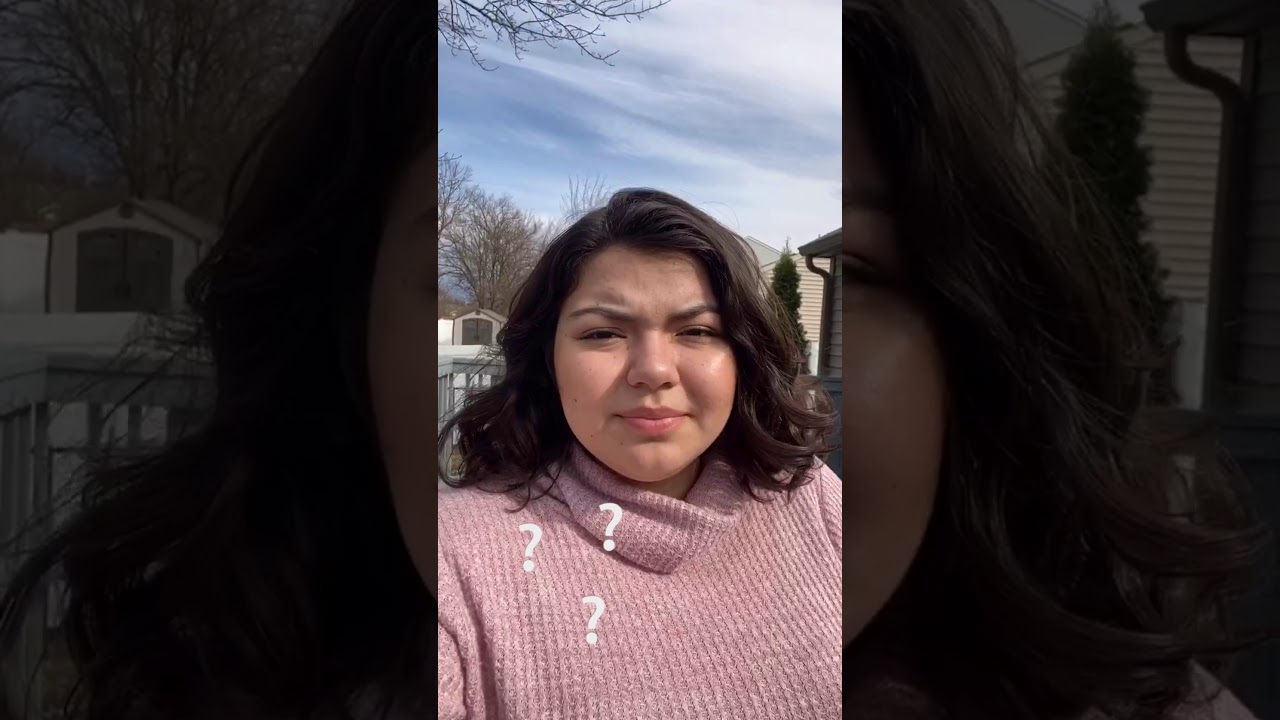
During the time working with my sister, I realized how our own media experiences affect the way we approach fact-checking. We have different tastes—she’s into the social aspect while I like the more informational side. But this variety of media viewpoints and understanding helped us present a fuller, more comprehensive fact-check. Together, we’re teaching people to ask three key questions created by MediaWise partner, the Stanford History Education Group: Who is behind the information? What is the evidence? And what do other sources say?
Teen fact-checking siblings
Surprisingly enough, we aren’t the only siblings fact-checking together at MediaWise.
Fact-checking brothers Kush Patel, 16, and his little brother Parth, 13, from North Carolina debunked a Twitter claim about a book predicting the 2019 coronavirus. Brother-sister duo Jahin Rahman, 16, and Fahmin Rahman, 14, teamed up to fact-check a claim aboutCO2 emissions dropping 25 percent in China because of the virus. You might be surprised by the answer!
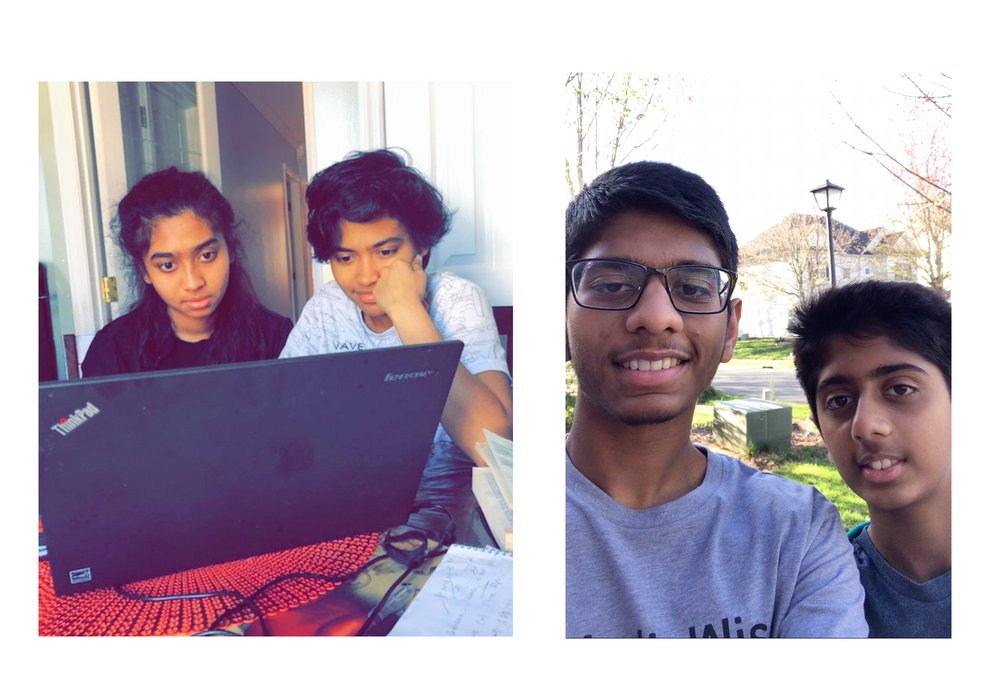
Left: Brother-sister duo Jahin and Fahmin Rahman. Right: Kush Patel and his little brother Parth.
Today the Teen Fact-Checking Network has 35 teenagers on staff from a dozen states. Through social media storytelling, we’ve debunked more than 300 claims—and that’s only the beginning. The staff is now solely fact-checking claims about COVID-19, and has debunked more than 20 social media posts. Who knows, in 10 years the TFCN could be fact-checking at a level similar to organizations like Politifact or Snopes.
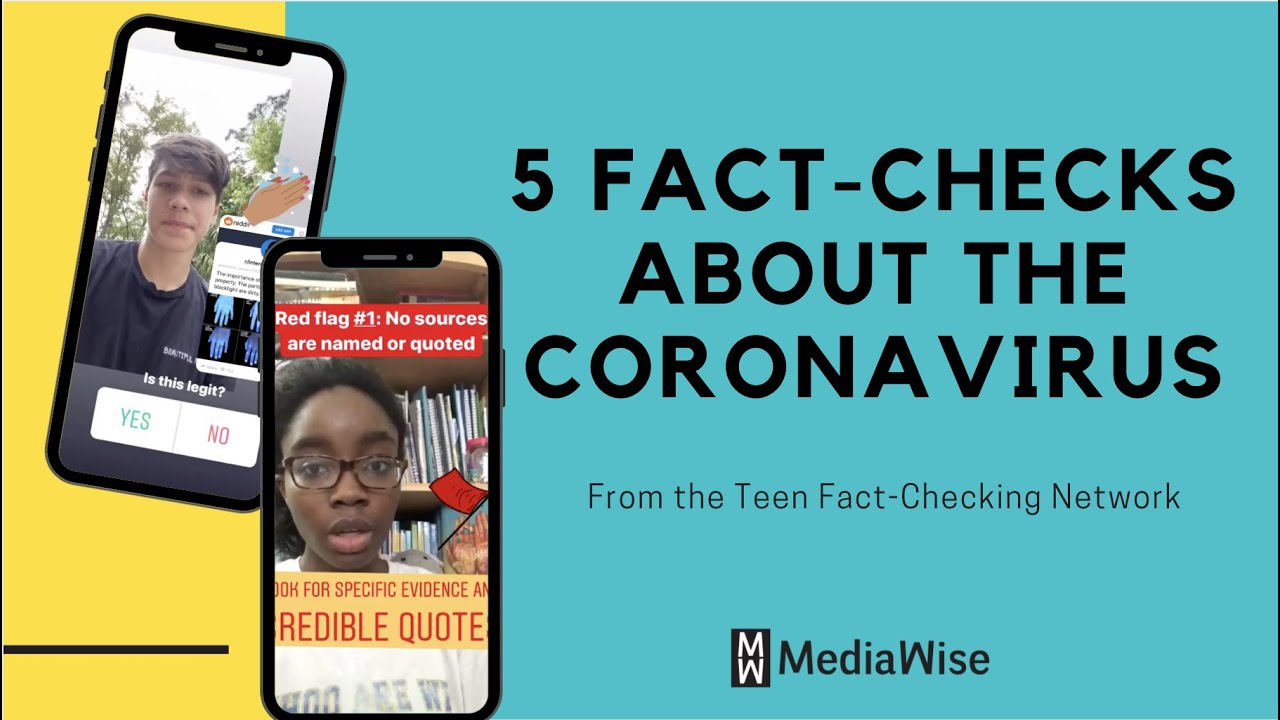
And as we mark this fourth year of International Fact-Checking Day, we recognize the need for this kind of media literacy and teaching others how to fact-check. So far MediaWise has helped more than 5 million people learn how to be media savvy about what they see online. And through in-person training, the MediaWise team has taught more than 18,000 students at 70 different schools across the country.
MediaWise has taught me that no matter how old you are, we can all stand to be better. And we all need to work together to do our part in combating the spread of misinformation. Now more than ever.
This International Fact-Checking Day, check out Civic Online Reasoning, a free curriculum developed by the Stanford History Education Group as part of MediaWise on how to evaluate online information.
by Lyndsay ValadezMediawise via The Keyword

0 komentar:
Post a Comment