As COVID-19 has pushed more teams to work remotely, many of us are turning to video calls. And if you’ve ever been on a video call and wondered why it doesn’t feel quite the same as an in-person conversation, we have something in common. As a researcher at Google, it’s my job to dig into the science behind remote communication. Here are a few things I’ve discovered along the way.
#1: Milliseconds matter.
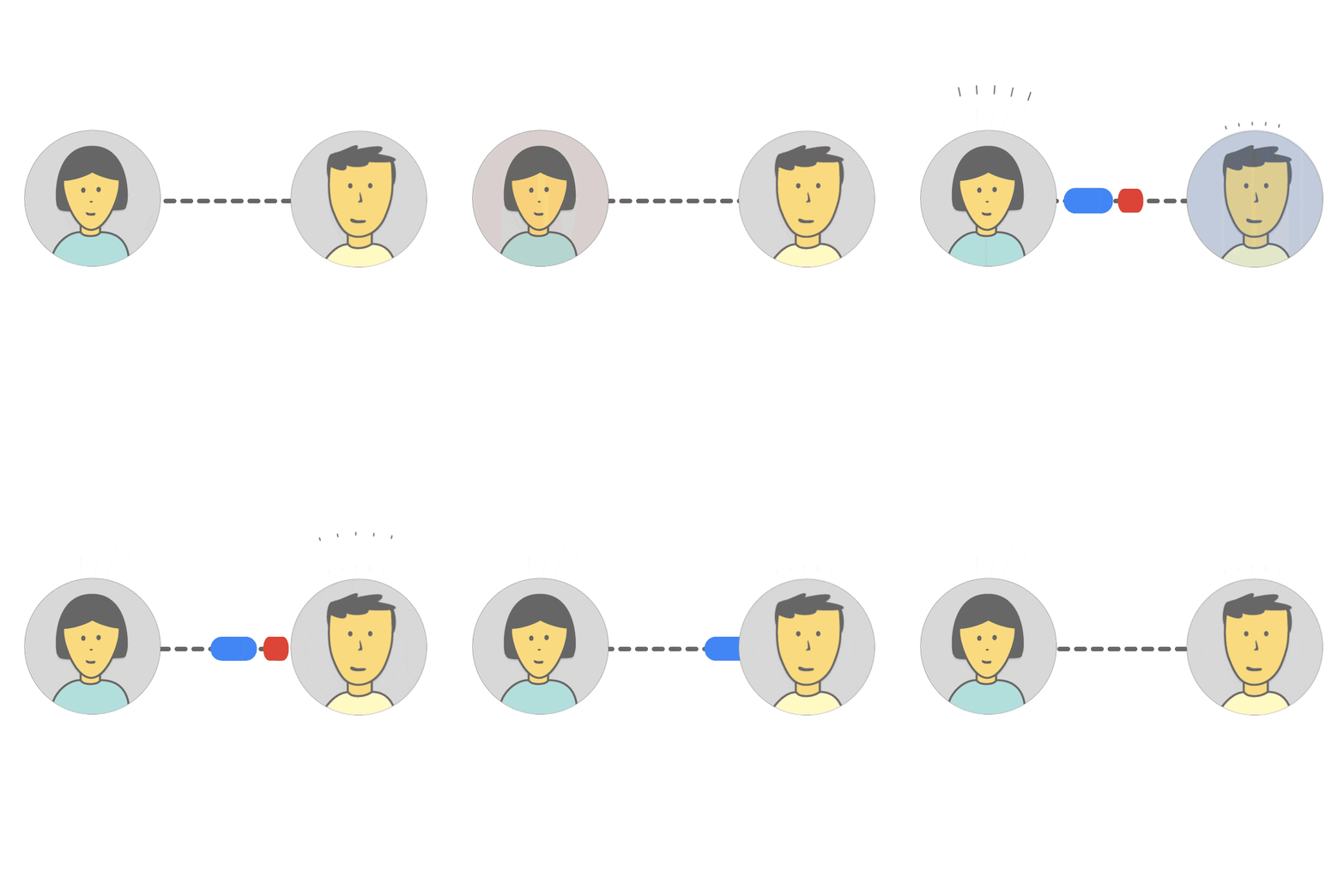
As a species, we’re hardwired for the fast-paced exchange of in-person conversation. Humans have spent about 70,000 years learning to communicate face-to-face, but video conferencing is only about 100 years old. When the sound from someone’s mouth doesn’t reach your ears until a half second later, you notice. That’s because we’re ingrained to avoid talking at the same time while minimizing silence between turns. A delay of five-tenths of a second (500 ms)—whether from laggy audio or fumbling for the unmute button—is more than double what we’re used to in-person. These delays mess with the fundamental turn-taking mechanics of our conversations.
On your next video conference, pump the brakes on your speaking speed to avoid unintended interruptions. If it’s a smaller group, try staying unmuted to provide little bits of verbal feedback (“mmhmm,” “okay”) to show you’re actively listening.
#2: Virtual hallway conversations boost group performance.
At the office, my meetings usually start with some impromptu, informal small talk. We share personal tidbits that build rapport and empathy. Making time for personal connections in remote meetings not only feels good, it helps you work better together. Science shows that teams who periodically share personal information perform better than teams who don’t. And when leaders model this, it can boost team performance even more.
Carve out time at the start of a meeting to catch up and set aside time to connect with colleagues over virtual coffee or lunch breaks.
#3: Visual cues make conversations smoother.
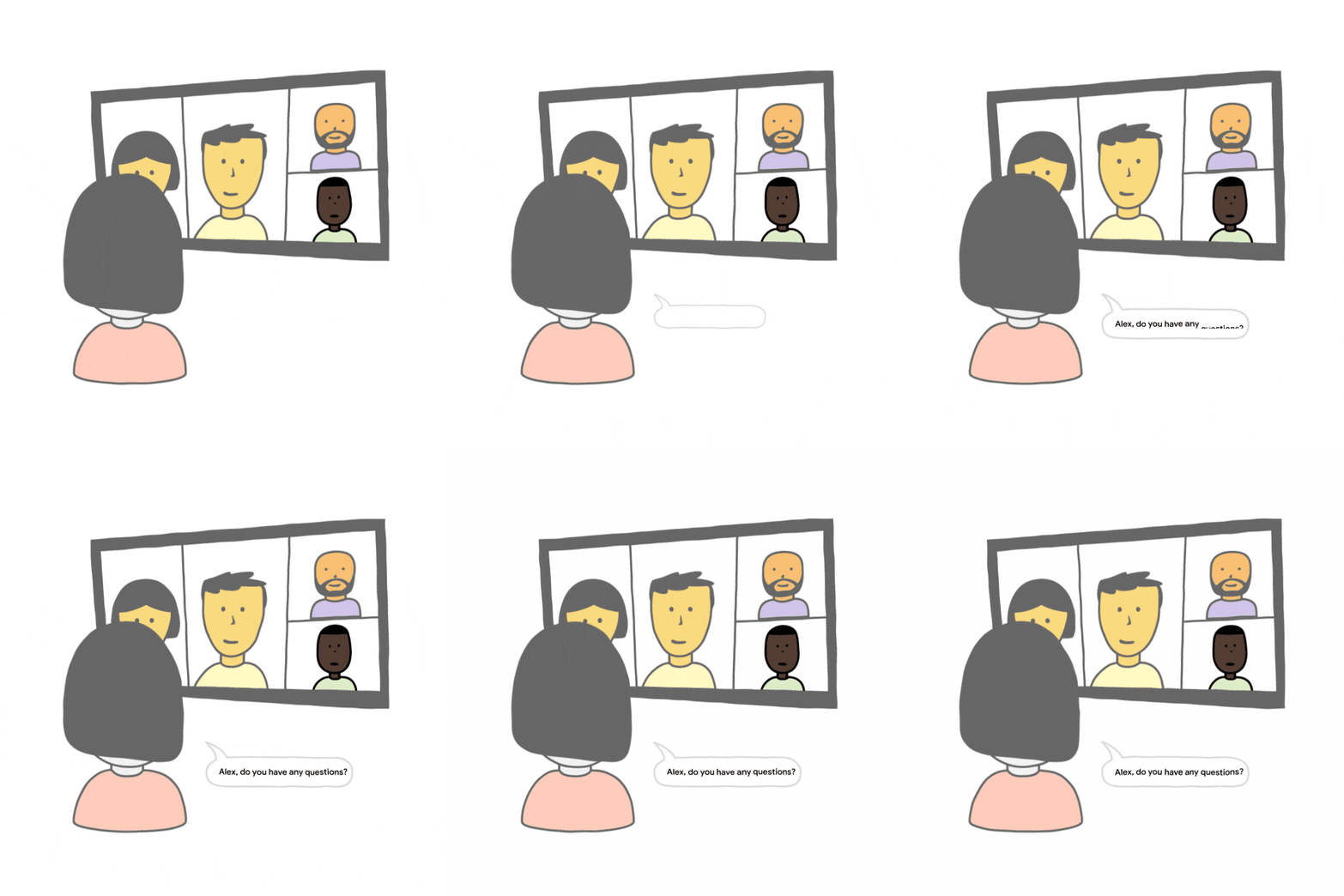
If you’re face-to-face with someone, you might notice they’ve leaned forward and invite them to jump into the conversation. Or, you might pick up on a sidelong glance in the audience while you’re giving a presentation, and pause to address a colleague’s confusion or skepticism. Research shows that on video calls where social cues are harder to see, we take 25 percent fewer speaking turns.
But video calls have something email doesn’t: eye contact. We feel more comfortable talking when our listeners’ eyes are visible because we can read their emotions and attitudes. This is especially important when we need more certainty—like when we meet a new team member or listen to a complex idea.
Resist browser tabs competing for your attention.
#4: Distance can amplify team trust issues.
When things go wrong, remote teams are more likely to blame individuals rather than examining the situation, which hurts cohesion and performance. Different ways of working can be frustrating, but they’re important. Biological Anthropologist Helen Fisher has shown that we can harness the “productive friction” of diverse work styles today similar to how hunter-gatherers did 50,000 years ago to determine if a newly discovered plant was poisonous, medicinal or delicious.
Have an open conversation with your remote teammates about your preferred working styles and how you might complement each other.
#5: Passing the talking stick makes remote teams smarter.

Conversations on calls are less dynamic, and the proverbial “talking stick” gets passed less often. That’s a big deal for remote teams because sharing the floor more equally is a significant factor in what makes one group smarter than another. Computational social scientists like Alex ‘Sandy’ Pentland and Anita Woolley have shown that higher performing groups aren’t made up of individuals with higher IQs but instead people who are more sensitive to emotions and share the floor more equally.
Identify calls where conversational dynamics could be better. Encourage more balanced conversation, help some get their voice heard and remind others to pass the talking stick.
If you’re interested in learning more about any of this science, you can check out my sources here.
by Zachary Yorke via The Keyword

0 komentar:
Post a Comment