Ah, team projects. They spark dread in the hearts of middle schoolers and business professionals alike. But Googler Stephen Gay, a manager on the Ads User Experience team, says teamwork doesn’t have to be so hard.
Stephen recently published “Why Always Wins: A Graphic Resource About Leading Teams,” a graphic novel focused on effective leadership. In the conversation below, Stephen talks about writing the book and reveals a few tips for leading high-performing teams.
Where did the idea to create a graphic novel about leadership come from?
I’ve been so fortunate over the past 20-plus years of my design career to have great coaches and mentors who shared guidance along the way, and I wanted to pay it forward. But, a classic business leadership book is, like, 300 pages of text. In my day job, I’m a user experience (UX) designer, which is all about guiding the user through a journey. I realized that a long book might not be the most engaging format, so I had the idea to put the advice into a more consumable, fun format.

Stephen with his graphic novel “Why Always Wins."
How did your day job at Google influence the book?
For the past two years, I’ve led a team that helps design the UX for Google Ads. Our work allows businesses to create and place ads all over the web, which helps millions of advertisers and publishers. It’s high-impact, high-visibility work, so there’s tremendous pressure to move quickly.
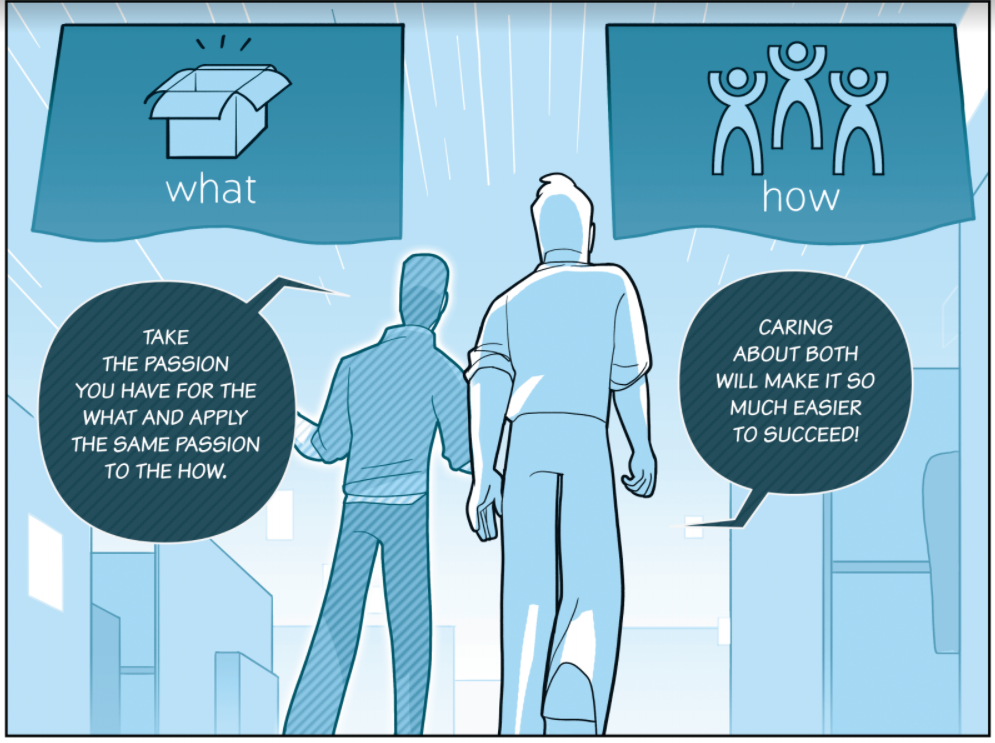
To do that well, we need to focus on both what we’re doing and how we’re doing it. Research at Google has shown teams with established trust and strong working relationships produce higher-quality work...and at faster speeds.
What’s your best advice for leading a high-performing team?
It’s actually where the title of the book comes from: “Why always wins.” Difficult situations at work inevitably occur, but instead of immediately reacting, it’s important to stop and really assess what’s happening. That starts with self awareness and awareness of the team and the situation.
As a leader, we might come into a situation and want to advocate for our own position right away. Try leading with inquiry, instead of advocacy. Ask why.
How does asking “why” help?
Let’s say you notice someone texting on their phone while you’re presenting. Your natural inclination might be to assume they’re not paying attention. By asking why, you might learn that they’re actually dealing with a family emergency or texting a coworker to come check out the presentation because they’re so impressed.
So, if “why always wins,” what always loses?
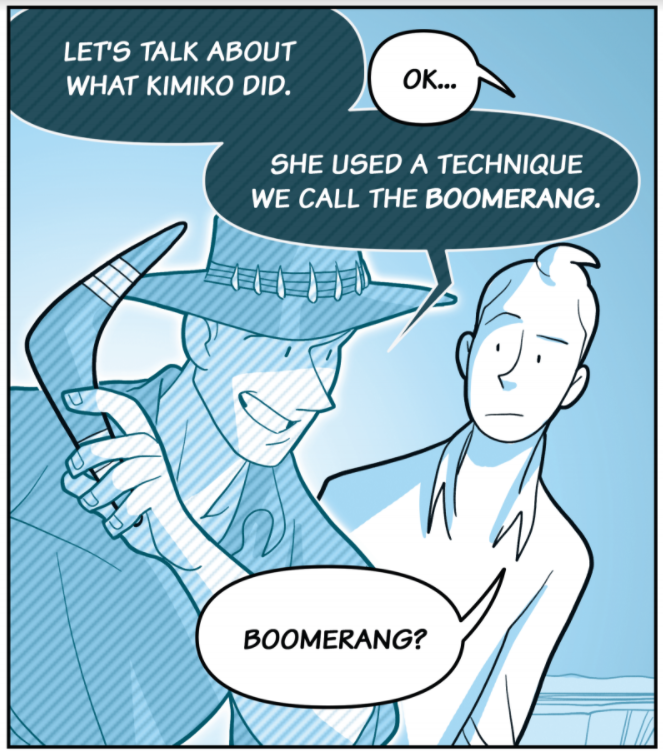
“Lose” might be a harsh word, but I see friction and unhealthy tension start to build up in teams when leaders don’t solicit a variety of perspectives. There’s a technique we call the “boomerang” that can help.
You can bring in the boomerang when a group conversation starts to get heated, typically between two people. To boomerang it, you throw the question back out to the rest of the group to collect everyone’s opinions and then formulate a next step. At Google, we talk a lot about creating a culture of inclusivity, and the boomerang is an easy technique to open the conversation back up to more perspectives, and especially allow quieter voices to be heard.
Besides “why,” what’s a key phrase leaders should get comfortable with?
Not speaking at all. There’s a lot of power in a pause. One of my early mentors used to say, “Sometimes you have to go slow to go fast.” When you’re in a heightened state of confusion or frustration and speak rashly, you can make bad decisions. Sometimes you need a moment for the water to clear, and then you can guide your team forward in a more mindful way.
by Aryn Sanderson via The Keyword

0 komentar:
Post a Comment