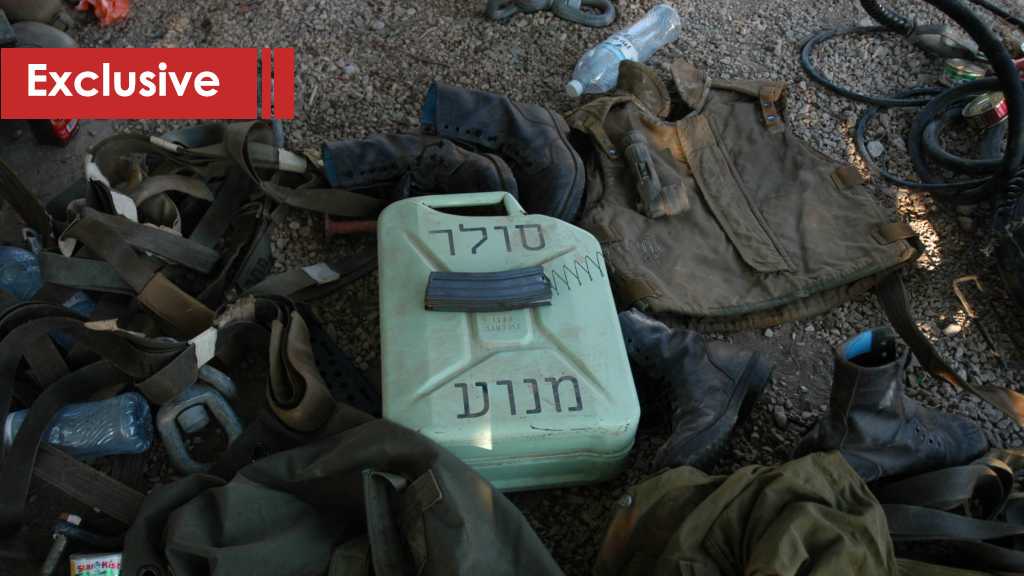
Talk about the strategic and historic achievements of the 2006 victory is no longer merely a theoretical assessment of experts and observers. On the contrary, there is a deliberate campaign aimed at containing the effects of this victory within both the Lebanese and Arab arenas. Over the course of 12 years, these achievements have become concrete facts. Their effects shield the resistance, its supporters and even its opponents. The most significant of these (effects) is the unprecedented state of deterrence – the first of its kind in Lebanon’s history. This deterrence provided a strategic umbrella that also enabled it to deal with the Takfiri threat that was threatening Lebanon’s existence. At the same time, it also prevented the enemy from exploiting Hezbollah’s preoccupation with confronting terrorist and tyrannical groups as well as attacking Lebanon and the resistance.
The state of deterrence imposed by Hezbollah on the enemy is the uppermost manifestation of victory. It reflects the effects of the battlefield triumph on the political and security decision-making process. It also reveals what Hezbollah’s resistance and leadership are instilled in the consciousness of the political, intelligence and military institutions in Tel Aviv. Although the deterrence is the result of a battlefield victory, it is most present in people’s lives, as it is characterized by the perpetuation of its effects. It has the most significant implications, even though a battlefield victory may sometimes be achieved but not affect the enemy. As a result, the enemy will take more aggressive steps by continuing to bet on altering the balance of power on the battlefield. When Hezbollah’s letters are presented to the enemy’s leaders and stop them from taking steps of this kind, this means that they have achieved two levels of victory: the first on the military level (similar to what happened during the 2006 war) and the second on the level of awareness and will, which has been a continues trend for over a decade.

One of the practical manifestations of this deterrence came in the form of a security umbrella, enabling the Hezbollah leadership to utilize it in the workshop and build-up and develop its military and missile readiness. This readiness is aimed at preparing for the next round that the enemy has been gearing up for following the war in order to regain its prestige and strengthen the “Israeli” deterrent force that was shattered during the war. This is what senior “Israeli” leaders notably Shimon Peres (who served as deputy prime minister during the war) admitted in his testimony before the Winograd Commission saying, “we have lost the strength of our international deterrence. Today we are considered weaker than we were. In the eyes of the Arabs, we have lost our deterrence strength.” He warned that this would be reflected in the de-legitimization of Israel’s existence. He also pointed out that before the war almost all Arabs had recognized Israel’s existence, but it was now starting to erode.
After the end of the war, “Israel” faced the dilemma over its deterrent power diminishing in the eyes of its opponents, those betting on it and its allies. The current Chief of Staff, Gadi Eisenkot, explicitly highlighted this point when he was in command of the northern region.
“We face a difficulty in deterring Hezbollah from maximizing its capabilities. What we face on the northern border is an axis composed of Iran, Syria and Hezbollah. We could not put a handle on it,” Eisenkot was quoted as saying in an interview with Yedioth Ahronoth (3/1/2008) following the war.
This confession and other similar positions reveal the real battle that took the form of competition between Hezbollah and the enemy’s army in their speedy buildup of readiness. One of the most prominent people who expressed this was Major General Giora Eiland, the Head of the National Security Council (he also headed the Planning Division and the Operations Branch of the Army Staff).
“The improvement in Hezbollah’s capabilities since that war has balanced the improvement in the capabilities of the “Israeli” army,” Eiland told the Haaretz newspaper on in October 2008.
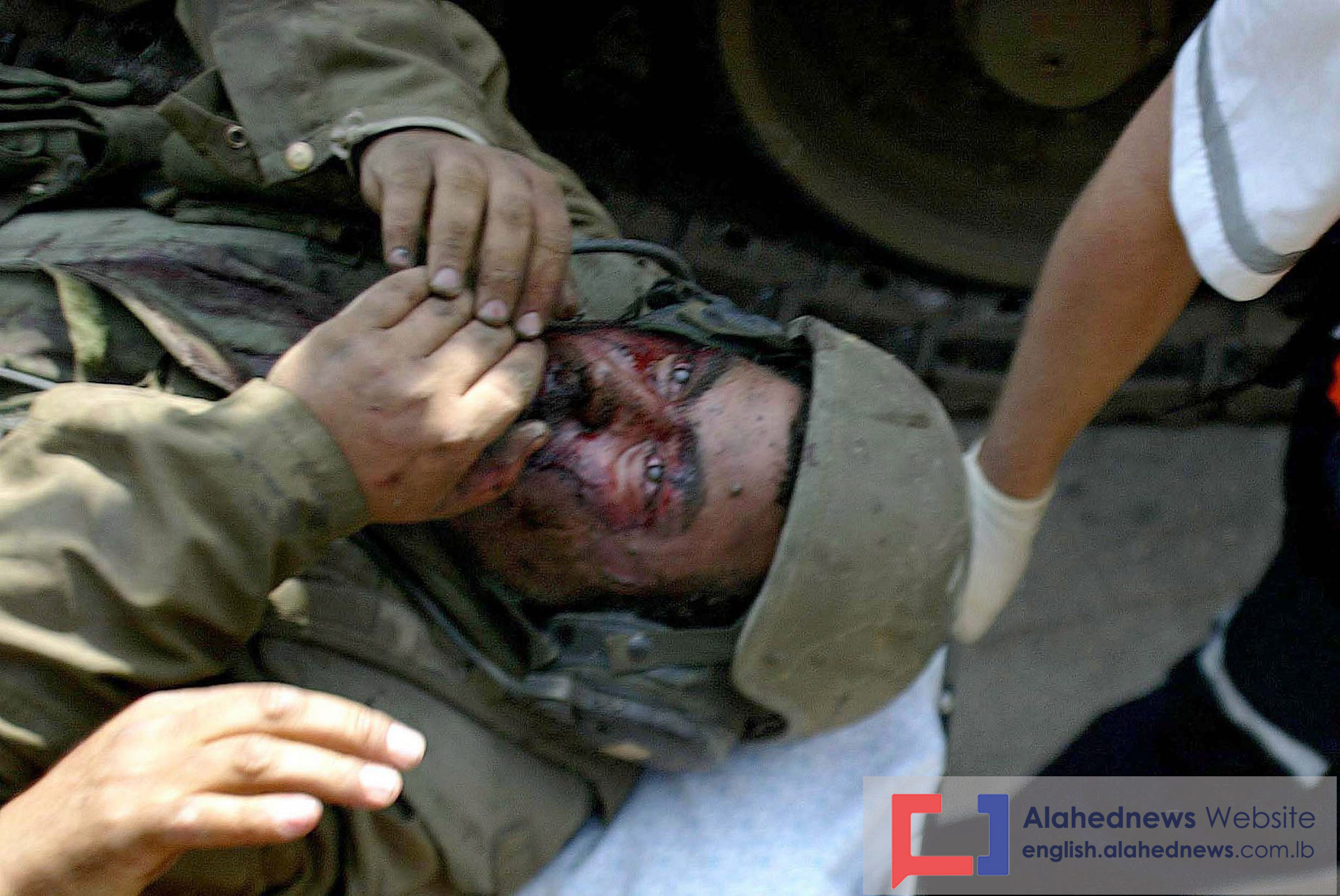
In light of this, it is accurate to assert that Hezbollah won the battle of wills and readiness, which it fought against the “Israeli” entity throughout the period following the 2006 war. This explains why the enemy refrained from initiating a large-scale aggression throughout these years despite developments in Syria that were meant to pave the way for an ideal circumstance for such an aggression. The Israelis did not even dare to expand the sporadic attacks on Lebanon. This rhetoric was further solidified following operational messages and firm positions issued by Hezbollah’s Secretary General Sayyed Hassan Nasrallah on more than one occasion, leaving a cumulative deterrent effect on the consciousness and calculations of the enemy’s leaders.
Source: al-Ahed News
from Respect https://ift.tt/2NMsUBQ
Breaking News: After 2006: “Israel” Is Deterred - News Paper

0 komentar:
Post a Comment